Solo Development Unreal Project: Crush
What I’m Working On
Crush is a narrative exploration game prototype inspired by Richard Siken’s Crush. I designed and built the environments in Unreal Engine to create surreal, dreamlike scenes involving aquariums, train stations, highways, and motels.
This narrative demo is a cathartic outlet that spawned from heartbreak and was an attempt to translate the significance of that relationship without verbal communication. To reinforce the fragmented emotional themes of memory, love, and loss, I intentionally degraded the in-game camera to produce an uncanny, pixelated aesthetic reminiscent of old horror games. Interactive radios, built with Unreal’s MetaSounds system, play existing tracks that I’ve warped in Reaper with glitch plugins and recorded poetry as the player moves through the disorientating world, tying audio and visuals into a cohesive narrative experience. I made a simple note pickup script with Blueprints so that the player collects pieces of the poetry or important phrases to piece together the love story at the heart of the game.
I’m investigating how to use line tracing for material detection so that I can drive a generative music system in MetaSounds and have the score evolve based on what the player is focusing on and the physical space they are in.
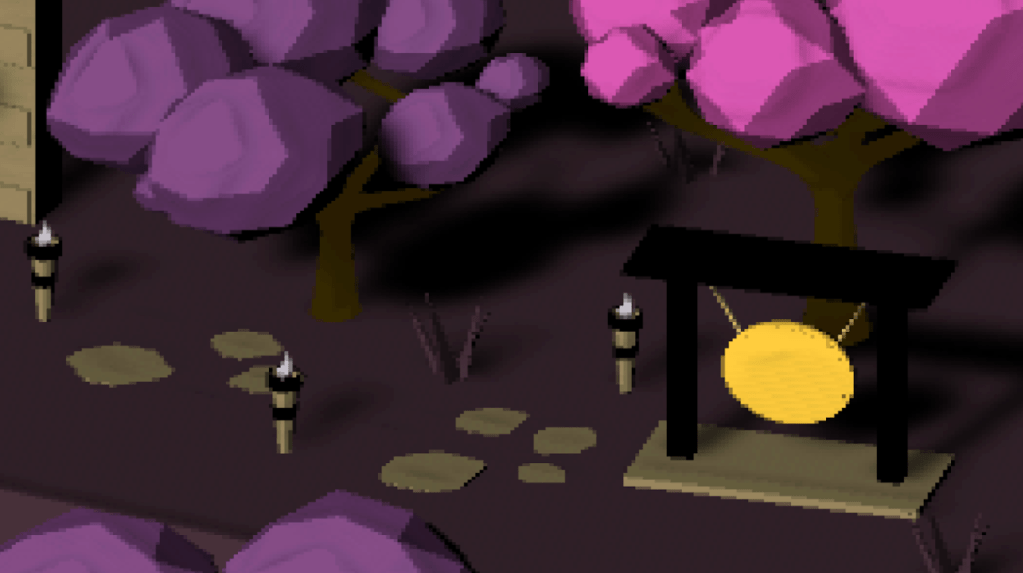
Example Scenes from Crush
The Origins of the Art Style: Harmonica
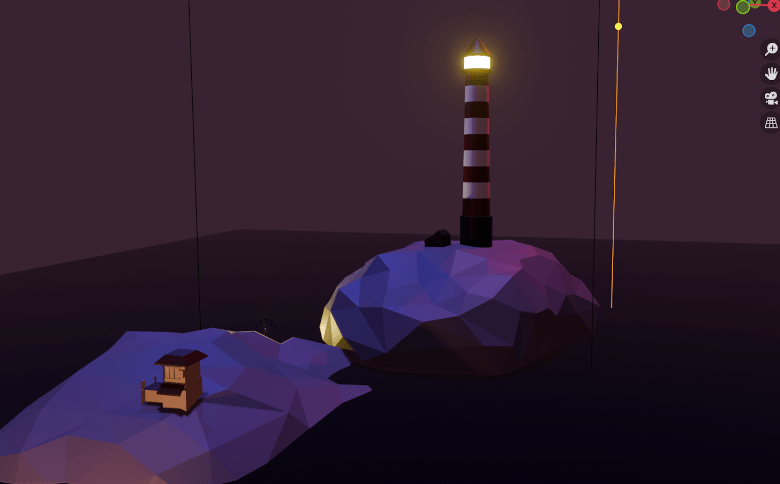
At the end of my Electronic Music degree, I began to experiment with Unity and Blender to build a playground for learning Middleware. I delved into game development to better understand the full creative pipeline which allowed me to expand my skills beyond sound design and explore how visuals, interactivity, and environment design shape the player experience. Harmonica gives some context to Crush and the discovery of my personal style as a developer.
Inspiration
Growing up, I collected an abundance of music-making trinkets and instruments that eventually got stored away in a dusty box in the garage. During a visit home last year, I unearthed the £60 ocarina I had imported from the USA after pouring hours into the Zelda franchise. After discovering the other relics in that treasure chest of silly sounds, I knew I had to follow my heart and develop a game centring around these mementoes for my dissertation, which quickly became my greatest passion project.
Concept
I aimed to make an RPG called “Harmonica”. The general plot involves the main character returning to a small town in the mountains that was once a harmonious community only to discover the residents’ relationships have fallen apart. You as the player take on the challenge of reuniting the people through music; there is an element of magic involved, with instrument artefacts scattered around the map with the power to project healing melodies when used by the player and townsfolk themselves.
Sound Design
I generated synth patches from organic sounds and samples to suit the rural and mysterious setting and define the aesthetic of the game. I’m working in conflict with the typical ‘audio to match the visual’ approach, instead basing the 3D objects I create and the lighting on the cohesive sample bank I’ve created. I produced synthesized versions of different animal and vocal samples (e.g. male and female shouts, barking, seagull squawks), slicing them into bleeps and packaging them in random containers corresponding to their respective characters in Wwise. I added to the characterisation by either tuning bleeps to be in key with one another for characters like the kind teacher or placing MIDI at random to create less pleasing voices for the more disruptive or abrasive NPC, tying back into the overarching theme of harmony.
Wwise Integration and Visual Assets
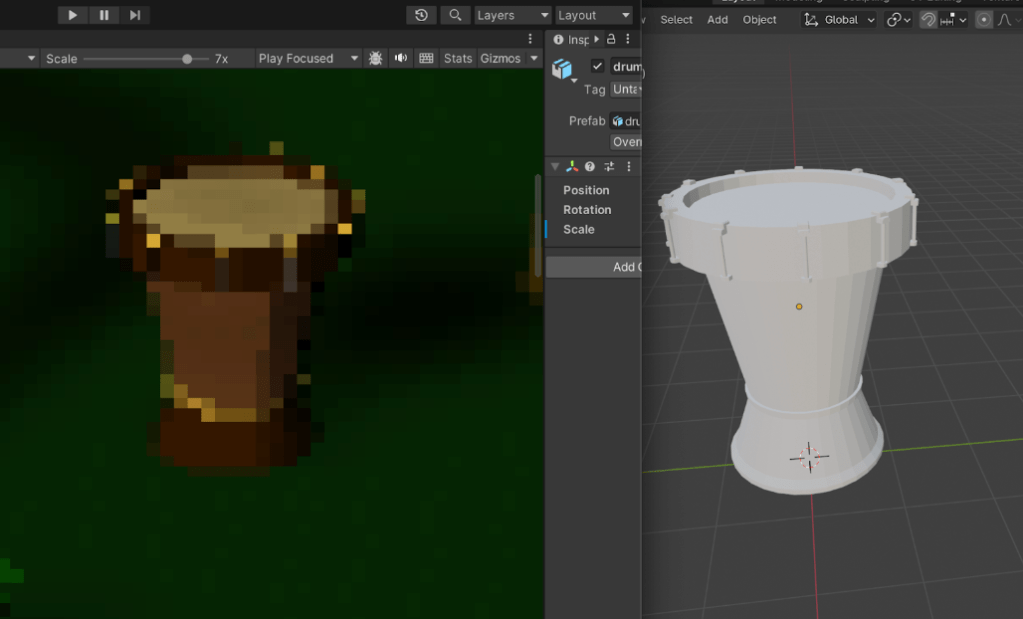
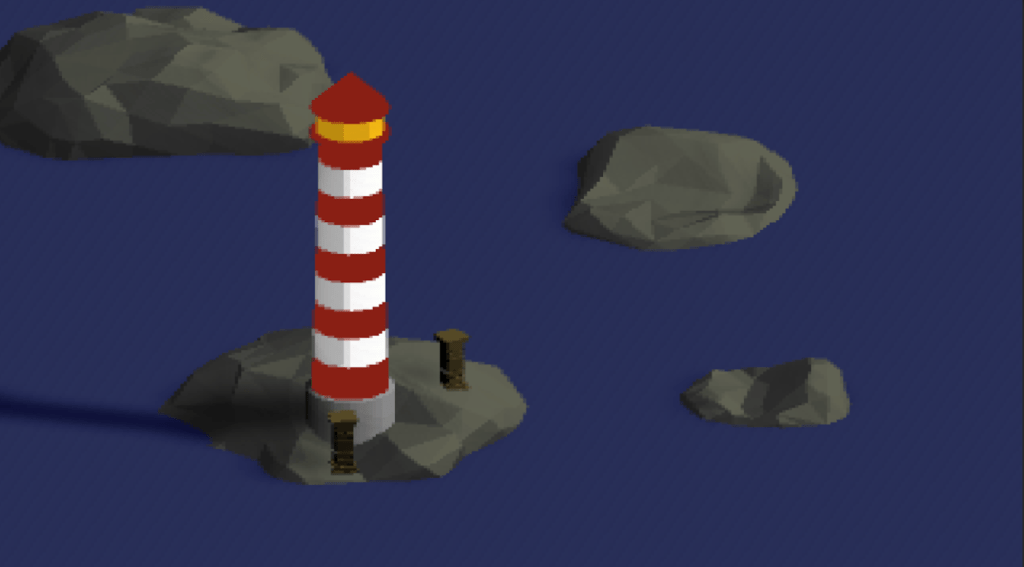
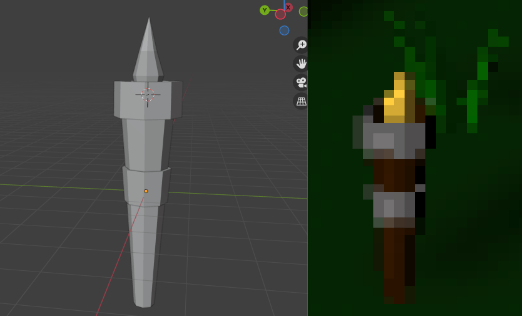
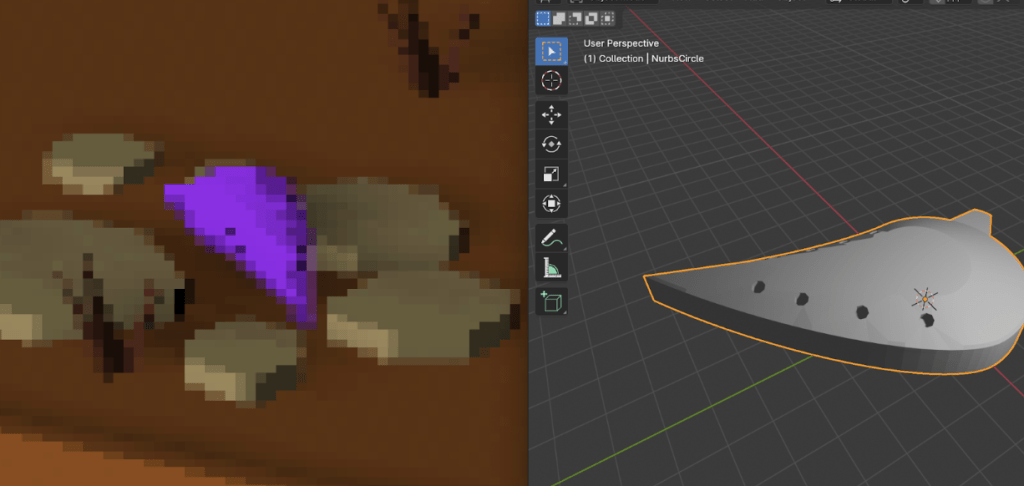
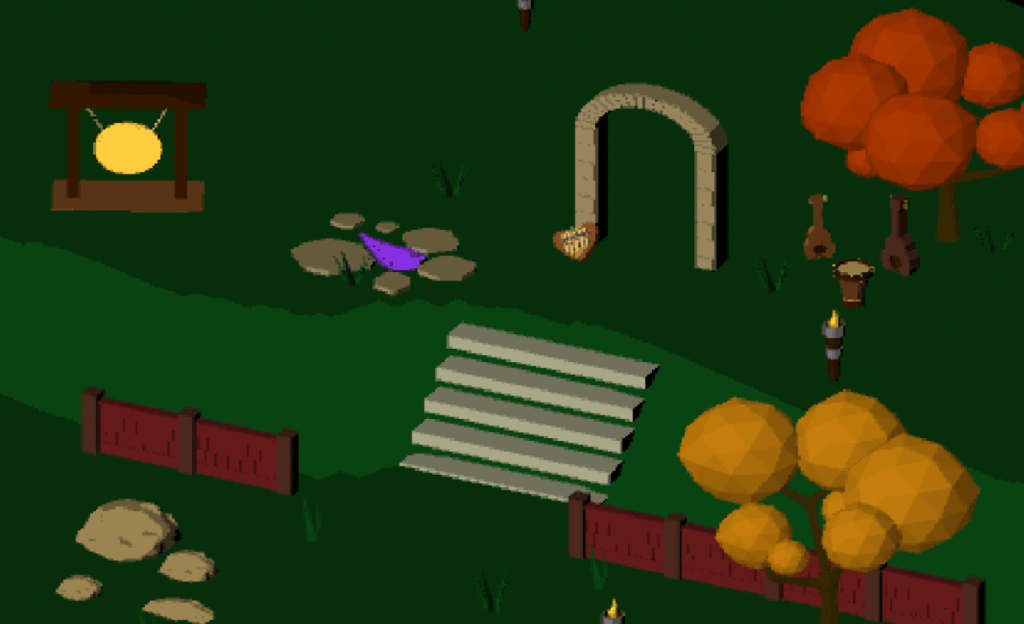
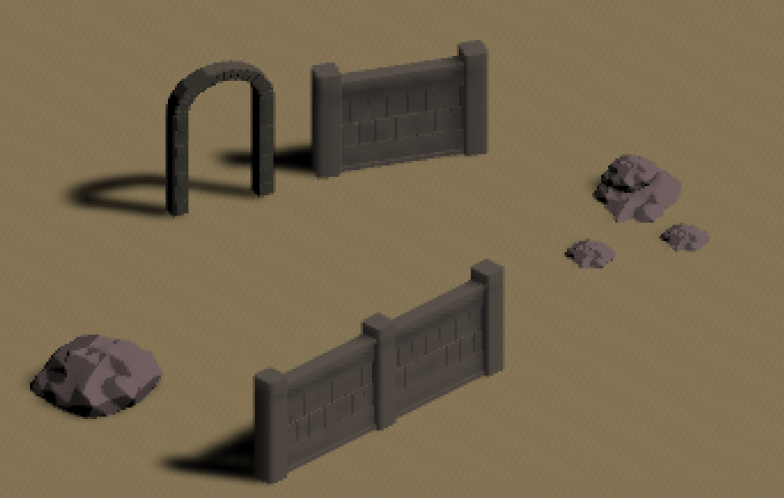
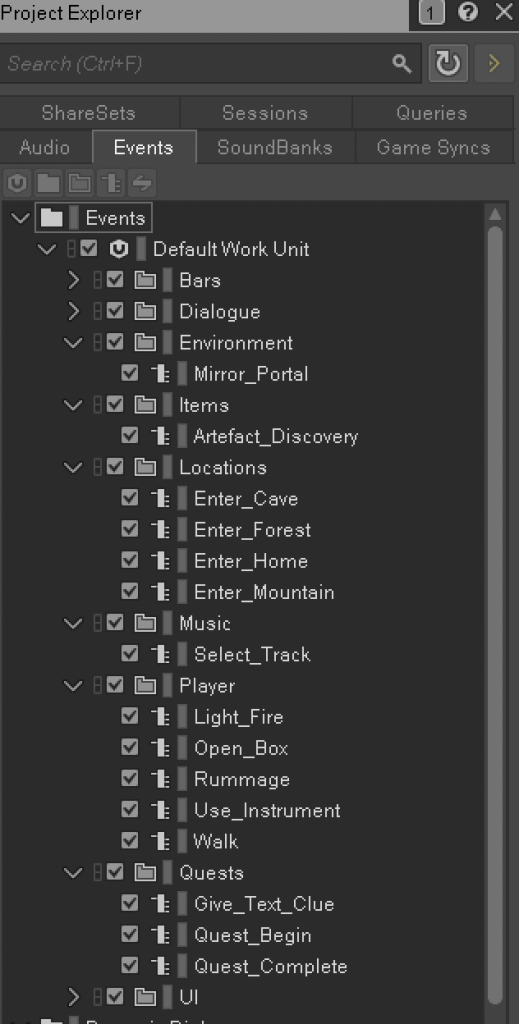
AK components are being used to pull my Wwise events and put them into action within Unity gameplay. For my final project, I planned to create a demo level including a map with multiple areas that trigger the appropriate ambience and piece of score. The basic mechanics that require sound are movement (material switch), item pick up (artefact discovery), emitters (portals, campfires), and zone enter/exit (terrain colliders). The easiest way to reach the retro, nostalgic aesthetic I wanted was to use an orthographic/isometric view and render the scene at a much lower resolution, adjusting the pixelation to taste. I’m using Blender to create unique game objects modelled on the instruments I’m sampling.



 Rose Evans Audio